Taken from 1960 Polk City Directory
Yesler Way
From South Alaskan Way To Boren Way
From S. Alaskan Way to Western Ave. - North Side
72 Western Automotive Service gas station
From S. Alaskan Way to Western Ave. - South Side
67 Astro-Gears Inc. mfrs.
67½ Baranof Hotel lodgings - Charles F. Chapin
71 John K. Thanos ice cream
From Western Ave. to Post Ave. - North Side
76 H. G. McLaughlin Co. Inc. marine suppliers
78 Star Office Equipment Co. used furniture
From Western Ave. to Post Ave. - South Side
73 Yesler Tavern
75 Litho Trade Service lithographs
77 Yesler Hotel lodgings - Y Mizuta
79 Plastic Sales & Service (plant)
From Post Ave. to 1st Ave. - North Side
80 Traveler's Hotel lodgings - Kikutara Nakamura
82 Pup Tavern
84 OK Coffee & Waffle House
88 General Merchandise Liquidators
90 Post Hotel lodgings - Ko Takeuchi
94 Vacant
94½ Julian M. Prias barber
From Post Ave. to 1st Ave. - South Side
81 Plastic Sales & Service Inc.
83 C & S Cafe
85 Jack F. Rosario barber
87 Northwest Cleaners
89 Mary's Barber Shop
91 Vacant
93 Nick's Cafe
From 1st Ave. to Occidental Ave. - North Side
100 Vacant
112 Modern Barber College
From 1st Ave. to Occidental Ave. - South Side
101 B & R Restaurant - Starfish Cove cocktail lounge
103 Vacant
105 Mendal Katz men's clothing
105½ Cascade Hotel lodgings - Mrs. Sachi Osumi - Masachiyo Uyegaki
107 Pioneer Barber Shop
107½ Sam's Cafe
109 Merchants Cafe tavern (still open in 2009)
109½ Merchants Hotel lodgings - Jitsushi Yoshida
111 Totem Pole Tavern
115 Tripoli Hotel lodgings - Shokichi Yanagimoto - Paul M. Ortega shoe shiner
117 Frank's Shoe Repair - Richard H. Karkigian hat cleaner
119 Vacant
From Occidental Ave. to 2nd Ave. - North Side
none
From Occidental Ave. to 2nd Ave. - South Side
153 Bob's Barber Shop
155 Kathy's Gift Shop
157 Boeing Airplane Co. (warehouse)
159 Daverso's Italian Restaurant
From 2nd Ave. to 3rd Ave. - North Side
202 Street Car Men's Union Division 587 - Seattle Street Railway Credit Union
From 2nd Ave. to 3rd Ave. - South Side
203 Don's Cafe - Mocombo Room cocktail lounge (actually Mocambo Room; gay bar)
205 Nick's Barber Shop
205a Morris M. Nash watch repairer
207 Campbell & Fuller Inc. grocery
209 Coffee Corral restaurant
215 Frye Hotel Chuckwagon restaurant
219 Frye Hotel Barber Shop
223 Frye Hotel - Kawaguchi Travel Service - Las Vegas Room cocktail lounge - JoVonne Stylists beauty shop - Ashley N Doak
225 Frye Hotel Cigar Stand - Frye Hotel Florist
From 3rd Ave. to Prefontaine Pl. - North Side
none
From 3rd Ave. to Prefontaine Pl. - South Side
none
From Prefontaine Pl. to Dilling Way - North Side
From Prefontaine Pl. to Dilling Way - South Side
From Dilling Way to 4th Ave. - North Side
none
From Dilling Way to 4th Ave. - South Side
315 Industrial Workmen of the World
317 Vacant
319 Athenian Social Club
321 Vacant
323 Pierce's Beauty Salon
323½ Vacant
325 Commerce Press Inc. printers
327 Wo Hee Chinese Medicine Co. herbs
From 4th Ave. to 5th Ave. - North Side
none
From 4th Ave. to 5th Ave. - South Side
401 Vacant
405 Vacant
From 5th Ave. to 6th Ave. - North Side
none
From 5th Ave. to 6th Ave. - South Side
515 Terrace View Hotel Parking
From 6th Ave. to Maynard Ave. - North Side
none
From 6th Ave. to Maynard Ave. - South Side
605 Terrace View Hotel lodgings - George O. F. Woon
607 Vacant
607½ Paul Refrow
609 Munro Apartments lodgings
609½ W. Karl Wiita
611 Vacant
615 Vacant
615½ Yesler Terrace (housing project) (too many names to type)
625 Church of God and Christ Faith Tabernacle
From Maynard Ave. to 7th Ave. - North Side
none
From Maynard Ave. to 7th Ave. - South Side
651 Mrs. Jessie Mitchell
653 Aiko Bradley
655 Donald E Brt (sic)
657 Mary V Smith
703 Harry Deloff - Charles E. Smith Jr. - August Radtke
From 7th Ave. to 8th Ave. - North Side
none
From 7th Ave. to 8th Ave. - South Side
707 Mrs. M. A. Davenport
715 Edward G. Mattison - Mrs. Eleanor Olson - Mrs. Othello D. Cox - Leo S. Rybus
719 Mrs. Nellie Dykeman - Raymond W. Newbold - Edward Olson - Octava E. Norris
723 Mrs. Lillian Finnie - John W. Fishback - Erna Taylor - Mrs. Ollie Fleming
727 Mrs. Maude K. Darden - Mrs. Louise Gregg - Soon Q. Look - Bert Edwards
731 U. G. Murphy - Carl J. Flory - Mrs. Lola Fletcher - Mrs. Doris StPeter
735 Justin O. Lewis - Walter C. Thomas - Emil J. Wolf - Benjamin Howard
From 8th Ave. to 9th Ave. - North Side
none
From 8th Ave. to 9th Ave. - South Side
803-17 Yesler Terrace (housing project)
803 Apartments
330 Marie Josephine Lee
331 Mrs. Mary Jones
807 Apartments
332 Mrs. Edna M. Hilyard
333 Mrs. Bertha Nelson
334 Mrs. Pearl L. Coleman
335 Mrs. Emma P. Hills
811 Apartments
336 Mrs. Jennie W. Rennie
337 Mrs. Kasa Moul
338 Mrs. Clara Yakovich
339 Mrs. Olga Kinneberg
817 Apartments
340 Mrs. Cora F. Johnson
341 Mrs. Orpha F. Patterson
342 Mrs. Zola B. Harris
343 Mrs. Bessie L. Graham
821 Neighborhood House Inc. Community Center
825 Housing Authority of the City of Seattle (Main Office)
From 9th Ave. to Broadway - North Side
none
From 9th Ave. to Broadway - South Side
903 Housing Authority of the City of Seattle (Yesler Terrace office)
From Broadway to 10th Ave. - North Side
none
From Broadway to 10th Ave. - South Side
907-1033 Yesler Terrace (housing project)
907 Mrs. Odessa Davis
909 Mrs. Kainuko M. Huntoon
911 Harold E. Alley
915 William P. Burge Jr.
917 Floyd A. Hennings
919 Vacant
921 Thomas J. Hansen
From 10th Ave. to Boren Way - North Side
none [Note: book shows 12th before Boren, which is wrong]
From 10th Ave. to Boren Way - South Side
1003 Mrs. Birdy M. MicDowell
1005 Ronald R. Clarke
1007 William E. Morrill
1009 Gock Q. Ng
1011 Mahlon E. Kreibel
1015 Dante F. D'Alessandro
1017 William A. Douglas
1019 Mrs. Ernestine Johnson
1022 Yesler Terrace (housing project)
540 Frank F. Joy
541 Mrs. Isabel Wilson
542 Mrs. Myrtle Piles
543 Mrs. Helen M Hoyt
544 Sotaero Tanginan
545 Mrs. Elizabeth Nelson
546 Mrs. Josephine Irvine
547 Mrs. Ruth Shuster
1023 Harry Fanning
1025 Tim F. McBride
1027 Paul Gua
1029 Mrs. Lena M. Morimoto
1031 Larry L. Schrader
1033 Mrs. Thelma Simuel
Boren Way intersects
Friday, November 20, 2009


Wednesday, November 18, 2009
Washington Street, Seattle 1960
From 1960 Polk City Directory
Washington Street (now South Washington Street)
From South Alaskan Way to Boren Way
From S. Alaskan Way to 1st Ave. S. - North Side
68 L & H Printing Co.
76 L & H Blue Printing Co.
90 Kelly Printing Co. Inc.
From S. Alaskan Way to 1st Ave. S. - South Side
77 Compass Center Mission - Lutheran Compass Mission
79 Compass Center Hotel lodgings
79½ Vacant
81-84 L & H Printing Co. (office & plant) [even number?]
81½ Vacant
85 Vacant
From 1st Ave. S. to Occidental Ave. - North Side
108 Jerry's Grocery
110 Vacant
116 Occidental Tavern
116½ Vacant
118 United Loan pawn brokers
118½ Vacant
124 William Llewellyn printer
126 Greenland Inn Tavern
From 1st Ave. S. to Occidental Ave. - South Side
101 Washington Cigar Store (now Elliott Bay Book Co.)
105 United Shoe Repair
107 Vacant
109 Blue Front Cafe
115 Russo's Tavern
115½ Skidroad Beanery restaurant
117 The Loggers tavern
117½ Loggers Hotel lodgings
117½ Earl H Turner
119 Loggers Barber Shop
From Occidental Ave. to 2nd Ave. S. - North Side
154 Blas Morante barber
156 Workers Lunch
158 Lucky Tavern
160 Vacant
164 Vacant
168 Vacant
170 All Nations Cafe - Mrs. Ruby Deligan
172 Casino Cafe - Casino Recreation social club [an important landmark in Seattle's rough and tumble history. In 2009, this underground room at 172 S. Washington St. is Heaven nightclub, but in the 1890s it was the location of a bawdy vaudeville theater run by John Considine, "offering women who danced and sang on stage and then strolled among the playing tables trolling for drinks. Couch-like box seats were deep enough for the men to draw the women inside and then pull curtains for whatever sexual pleasures could be had." (Gary L. Atkins, Gay Seattle [Seattle and London: University of Washington Press, 2003])
Considine's vaudeville was naughtier than the classy sort performed uptown; among other performers, he featured Little Egypt, a nationally-known "coochee-coochee dancer and stripper. He also introduced the infamous Seattle Police payoff system, paying patrol officers for tolerance of his disobedience of the 1894 "barmaid ordinance", which forbade women from working in places that served alcohol. This "tolerance policy" eventually spread throughout every level of Seattle's (and Washington's) bureaucracy until it exploded in 1970 with, among other events, the firing of the Chief of Police Frank Ramon and the arrest of the interim Chief Buzz Cook.
Ironically, the payoff system allowed an underground scene of gambling, prostitution, and gay bars to flourish, in spite of blue laws against them. By the 1930s, the basement of current building was the Casino, a drag bar run by Joseph Bellotti that for the next forty years, along with the Double Header tavern upstairs (still in operation in 2009, see 407 2nd Ave. Ext.) provided a haven for Seattle's gay and lesbian community. The wooden marquee over the entrance still says "CASINO DANCING".]
From Occidental Ave. to 2nd Ave. S. - South Side
151 Vacant
153 Alex's Cafe
159 Pastime Tavern
161 Our Lady of Mt. Carmel Center
165 Peniel Mission
167 Columbus Tavern
169 Workingman's Clothing Store used
171 Jim's Cafe
173 Silver Star Tavern
From 2nd Ave. S. To 3rd Ave. S. - North Side
210½ Yick Keong Society social club
212 Basa Trade Shop antiques - Sidro L Basa
214 Rice Bowl Cafe
214 Marcel Domingo
214½ Vacant
From 2nd Ave. S. To 3rd Ave. S. - South Side
201 Light Spot Inc. tavern
209 John Battee shoeshiner
211 A & J Tavern
211½ Vincentian Center employment office
215 Mike's Place cigars
216 Vacant
217 Vacant
219 Vacant
219½ Vacant
221 Vacant
223 Zumie Davis
From 3rd Ave. S. to Prefontaine Pl. - North Side
300 Kaplan Paper Co. wholesale
308 Vacant
310 Schooley Printing Co.
312 Litho Film - Ransdell Photography commercial photographers
From 3rd Ave. S. to Prefontaine Pl. - South Side
305 Joe Galanta
307 Union Hotel lodgings - Yoshio Akada
311 Henry's Barber Shop
311½ Ramos Rabero
From Prefontaine Pl. to 4th Ave. S. - North Side
none
From Prefontaine Pl. to 4th Ave. S. - North Side
none
From 4th Ave. S. to 5th Ave. S. - North Side
424 Washington Service Station gas station
[Note: intersection with 5th Ave. S. not shown but clearly existed then]
From 4th Ave. S. to 5th Ave. S. - South Side
none
[Note: intersection with 5th Ave. S. not shown but clearly existed then]
From 5th Ave. S. to 6th Ave. S. - North Side
502 Vacant
From 5th Ave. S. to 6th Ave. S. - South Side
505 Vacant
507 Vacant
509 Vacant
511 Vacant
517 Hanson Hotel lodgings - Frank U. Hashimoto - Roy M. Hashimoto
525 Berry-Jeffrain Apartments lodgings - Mack Mayfield
From 6th Ave. S. to Maynard Ave. - North Side
616 Kwick-Kafe of Seattle vending machines
618 Vacant
620 Vacant
624 Vacant
From 6th Ave. S. to Maynard Ave. - South Side
621 Peter B. Alupay
From Maynard Ave. to 7th Ave. S.- North Side
none
From Maynard Ave. to 7th Ave. S.- South Side
none
From 7th Ave. S. to 8th Ave. S. - North Side
none
From 7th Ave. S. to 8th Ave. S. - South Side
701 Mrs. Sarah Morris
703 Calvin Bowell Jr.
705 Vacant
707 Mrs. Beverly Cantrell
709 Mrs. Ida Releford
705 King D. Cheng
717 Vacant
719 Frank R Koop
721 Mrs. Gussie O Tucker
723 LeRoy B White
725 James Martin
729 Marion P. Villanueva
731 William E. Fawcett
733 Mrs. Dorothy Watkins
735 Gary L Huxford
737 Harold C. George
739 Mrs. Lillian G. Hayes
From 8th Ave. S. to 9th Ave. S. - North Side
none
From 8th Ave. S. to 9th Ave. S. - South Side
803-1044 Yesler Terrace (housing project)
803 Apartments
368 Tommy Yuen
369 Coenraad VanDerWal
370 Mike Baumgart
371 Mrs. Jessie Mae Lemes
372 Mrs. Laura M. Hyde
373 Charles F. Murphy
811 Apartments
374 Saint M. Owens
375 Donna M. Clifton
376 Rev. Lee V. Kirkpatrick
377 John M. G. Wong
378 Mrs. Bobbie J. Sims
379 L. Joe James
819 Apartments
380 King D. Anderson
381 Roger M. Haglund
382 Rovert A. McLauchlan
383 Howard M. Robinson Jr.
384 John C. Simon
385 Buck F. Chin
386 Mrs. Gloria E. Tippins
From 9th Ave. S. to 10th Ave. S. - North Side
none
From 9th Ave. S. to 10th Ave. S. - South Side
915 Apartments
387 Mrs. Viola Matthews
388 Vacant
389 Mrs. Kathleen DeGroff
390 Vacant
391 Mrs. Nellie Gammon
392 Venny A. Ayco
919 Apartments
393 Henrietta J. Miller
394 Mrs. Miriam L. Hill
395 Nils Nygard
396 Joseph M. Brule
925 Apartments
397 Mrs. Phoebe Willard
398 Mrs. Alice Kruger
399 Mrs. Flora E. Klatt
400 Stanley M. Schwab
929 Apartments
401 Gaven E. Waller
402 Mrs. Shirley A. Harrold
403 Philmore T. Payne
404 Jather Lee
405 Mrs. Josephine Conklin
406 Cheow Chuk Chinn
407 Vacant
From 10th Ave. S. to 11th Ave. S. - North Side
1020 Apartments
490 Mrs. Stella Anderson
491 Richard L. Olson
492 Mrs. Sumiko Matro
493 Robert Lamb
494 Mrs. Beverly J. Fauvelle
495 Shing Pin Sun
1028 Apartments
478 Mrs. Carrie Strong
479 Richard P. Behrendt
480 Mrs. Jackie Edwards
481 Paul M. Rice
482 Mrs. Carrie E. Harris
483 Mrs. Marion M. Dailing
1036 Apartments
469 Donald M. Gates
470 Ted Howe
471 Ray E. Longfellow
472 Vacant
473 John H. Chinn
474 Vacant
475 William A Bosonitz
476 Ernest R. Zimmerman
477 Mrs. Izola Hall
1044 Apartments
461 Mrs. Frances H. Wilson
462 Mrs. Emma M. Dooley
463 A. Blanche Williamson
464 Fred A. Lundgaard
465 Joseph J. Miller
466 Mrs. Margaret Eddy
467 Mrs. Josephine Marton
468 N. Seigfred Nelson [sic]
From 10th Ave. S. to 11th Ave. S. - South Side
1005 Apartments
408 Robert D. Campbell
409 Mrs. Jewel D. Russell
410 Dean F. Obenchain
411 Mrs. Agnes Johnston
412 Vacant
413 LeRoy W. Lusher
414 William H. Foege
415 Sammy M. Verzola
1011 Apartments
416 Mrs. Queen Quinn
417 Mrs. Gusta B. Sharp
418 Mrs. Nancy L. Garner
419 John E. Keene
420 Roger S. Mitchell
421 Irene O. Walsh
422 Charles B. Davis
423 Mrs. Violet Chin
424 Mrs. Eleanor Mariano
1019 Apartments
425 Walter L. Harris
426 Phillip O. Bridenbaugh
427 Ott Woo
428 Mrs. Anna L. McCoy
429 James L. Tilzey
430 Tom F. Chinn
431 Allen Gooden
432 Lowell Klatt
433 Paul Martin
1027 Apartments
434 Eddie Patrick
435 Kenney Chin
436 Mrs. Elizabeth Thomas
437 Mrs. Lena Hoffer
438 Mrs. Lorraine M. Melissa
439 Mrs. Frances L. Mulkins
440 LeRoy W. Coulsey
441 Monte W. Martinsen
442 Louis Robinson
443 Vacant [wrong number?]
1033 Apartments
443 Sueo Fujikoa
444 Oliver R. Cunningham
445 Arthur R. Koch
447 Wing H. Jung
448 John W. Lebo
1035 Apartments
457 Mrs. Lula B. Carmack
458 Mrs. Anna Tarabochia
459 Mrs. Ethel Beach
460 Mrs. Priscilla Simpson
1039 Apartments - Charles M. Walsh - Mrs. Sadie T. Ward
1043 Apartments
449 Frank K. Yamanmoto [sic]
450 Mrs. Lydia Hill
451 William F. Elliott
452 Leslie Crittenden
453 Mrs. Winnfred Henderson
454 Mrs. Elsie Fulton
Eleventh Avenue South intersects
Twelfth Avenue South intersects
Boren Avenue intersects
Washington Street (now South Washington Street)
From South Alaskan Way to Boren Way
From S. Alaskan Way to 1st Ave. S. - North Side
68 L & H Printing Co.
76 L & H Blue Printing Co.
90 Kelly Printing Co. Inc.
From S. Alaskan Way to 1st Ave. S. - South Side
77 Compass Center Mission - Lutheran Compass Mission
79 Compass Center Hotel lodgings
79½ Vacant
81-84 L & H Printing Co. (office & plant) [even number?]
81½ Vacant
85 Vacant
From 1st Ave. S. to Occidental Ave. - North Side
108 Jerry's Grocery
110 Vacant
116 Occidental Tavern
116½ Vacant
118 United Loan pawn brokers
118½ Vacant
124 William Llewellyn printer
126 Greenland Inn Tavern
From 1st Ave. S. to Occidental Ave. - South Side
101 Washington Cigar Store (now Elliott Bay Book Co.)
105 United Shoe Repair
107 Vacant
109 Blue Front Cafe
115 Russo's Tavern
115½ Skidroad Beanery restaurant
117 The Loggers tavern
117½ Loggers Hotel lodgings
117½ Earl H Turner
119 Loggers Barber Shop
From Occidental Ave. to 2nd Ave. S. - North Side
154 Blas Morante barber
156 Workers Lunch
158 Lucky Tavern
160 Vacant
164 Vacant
168 Vacant
170 All Nations Cafe - Mrs. Ruby Deligan
172 Casino Cafe - Casino Recreation social club [an important landmark in Seattle's rough and tumble history. In 2009, this underground room at 172 S. Washington St. is Heaven nightclub, but in the 1890s it was the location of a bawdy vaudeville theater run by John Considine, "offering women who danced and sang on stage and then strolled among the playing tables trolling for drinks. Couch-like box seats were deep enough for the men to draw the women inside and then pull curtains for whatever sexual pleasures could be had." (Gary L. Atkins, Gay Seattle [Seattle and London: University of Washington Press, 2003])
Considine's vaudeville was naughtier than the classy sort performed uptown; among other performers, he featured Little Egypt, a nationally-known "coochee-coochee dancer and stripper. He also introduced the infamous Seattle Police payoff system, paying patrol officers for tolerance of his disobedience of the 1894 "barmaid ordinance", which forbade women from working in places that served alcohol. This "tolerance policy" eventually spread throughout every level of Seattle's (and Washington's) bureaucracy until it exploded in 1970 with, among other events, the firing of the Chief of Police Frank Ramon and the arrest of the interim Chief Buzz Cook.
Ironically, the payoff system allowed an underground scene of gambling, prostitution, and gay bars to flourish, in spite of blue laws against them. By the 1930s, the basement of current building was the Casino, a drag bar run by Joseph Bellotti that for the next forty years, along with the Double Header tavern upstairs (still in operation in 2009, see 407 2nd Ave. Ext.) provided a haven for Seattle's gay and lesbian community. The wooden marquee over the entrance still says "CASINO DANCING".]
From Occidental Ave. to 2nd Ave. S. - South Side
151 Vacant
153 Alex's Cafe
159 Pastime Tavern
161 Our Lady of Mt. Carmel Center
165 Peniel Mission
167 Columbus Tavern
169 Workingman's Clothing Store used
171 Jim's Cafe
173 Silver Star Tavern
From 2nd Ave. S. To 3rd Ave. S. - North Side
210½ Yick Keong Society social club
212 Basa Trade Shop antiques - Sidro L Basa
214 Rice Bowl Cafe
214 Marcel Domingo
214½ Vacant
From 2nd Ave. S. To 3rd Ave. S. - South Side
201 Light Spot Inc. tavern
209 John Battee shoeshiner
211 A & J Tavern
211½ Vincentian Center employment office
215 Mike's Place cigars
216 Vacant
217 Vacant
219 Vacant
219½ Vacant
221 Vacant
223 Zumie Davis
From 3rd Ave. S. to Prefontaine Pl. - North Side
300 Kaplan Paper Co. wholesale
308 Vacant
310 Schooley Printing Co.
312 Litho Film - Ransdell Photography commercial photographers
From 3rd Ave. S. to Prefontaine Pl. - South Side
305 Joe Galanta
307 Union Hotel lodgings - Yoshio Akada
311 Henry's Barber Shop
311½ Ramos Rabero
From Prefontaine Pl. to 4th Ave. S. - North Side
none
From Prefontaine Pl. to 4th Ave. S. - North Side
none
From 4th Ave. S. to 5th Ave. S. - North Side
424 Washington Service Station gas station
[Note: intersection with 5th Ave. S. not shown but clearly existed then]
From 4th Ave. S. to 5th Ave. S. - South Side
none
[Note: intersection with 5th Ave. S. not shown but clearly existed then]
From 5th Ave. S. to 6th Ave. S. - North Side
502 Vacant
From 5th Ave. S. to 6th Ave. S. - South Side
505 Vacant
507 Vacant
509 Vacant
511 Vacant
517 Hanson Hotel lodgings - Frank U. Hashimoto - Roy M. Hashimoto
525 Berry-Jeffrain Apartments lodgings - Mack Mayfield
From 6th Ave. S. to Maynard Ave. - North Side
616 Kwick-Kafe of Seattle vending machines
618 Vacant
620 Vacant
624 Vacant
From 6th Ave. S. to Maynard Ave. - South Side
621 Peter B. Alupay
From Maynard Ave. to 7th Ave. S.- North Side
none
From Maynard Ave. to 7th Ave. S.- South Side
none
From 7th Ave. S. to 8th Ave. S. - North Side
none
From 7th Ave. S. to 8th Ave. S. - South Side
701 Mrs. Sarah Morris
703 Calvin Bowell Jr.
705 Vacant
707 Mrs. Beverly Cantrell
709 Mrs. Ida Releford
705 King D. Cheng
717 Vacant
719 Frank R Koop
721 Mrs. Gussie O Tucker
723 LeRoy B White
725 James Martin
729 Marion P. Villanueva
731 William E. Fawcett
733 Mrs. Dorothy Watkins
735 Gary L Huxford
737 Harold C. George
739 Mrs. Lillian G. Hayes
From 8th Ave. S. to 9th Ave. S. - North Side
none
From 8th Ave. S. to 9th Ave. S. - South Side
803-1044 Yesler Terrace (housing project)
803 Apartments
368 Tommy Yuen
369 Coenraad VanDerWal
370 Mike Baumgart
371 Mrs. Jessie Mae Lemes
372 Mrs. Laura M. Hyde
373 Charles F. Murphy
811 Apartments
374 Saint M. Owens
375 Donna M. Clifton
376 Rev. Lee V. Kirkpatrick
377 John M. G. Wong
378 Mrs. Bobbie J. Sims
379 L. Joe James
819 Apartments
380 King D. Anderson
381 Roger M. Haglund
382 Rovert A. McLauchlan
383 Howard M. Robinson Jr.
384 John C. Simon
385 Buck F. Chin
386 Mrs. Gloria E. Tippins
From 9th Ave. S. to 10th Ave. S. - North Side
none
From 9th Ave. S. to 10th Ave. S. - South Side
915 Apartments
387 Mrs. Viola Matthews
388 Vacant
389 Mrs. Kathleen DeGroff
390 Vacant
391 Mrs. Nellie Gammon
392 Venny A. Ayco
919 Apartments
393 Henrietta J. Miller
394 Mrs. Miriam L. Hill
395 Nils Nygard
396 Joseph M. Brule
925 Apartments
397 Mrs. Phoebe Willard
398 Mrs. Alice Kruger
399 Mrs. Flora E. Klatt
400 Stanley M. Schwab
929 Apartments
401 Gaven E. Waller
402 Mrs. Shirley A. Harrold
403 Philmore T. Payne
404 Jather Lee
405 Mrs. Josephine Conklin
406 Cheow Chuk Chinn
407 Vacant
From 10th Ave. S. to 11th Ave. S. - North Side
1020 Apartments
490 Mrs. Stella Anderson
491 Richard L. Olson
492 Mrs. Sumiko Matro
493 Robert Lamb
494 Mrs. Beverly J. Fauvelle
495 Shing Pin Sun
1028 Apartments
478 Mrs. Carrie Strong
479 Richard P. Behrendt
480 Mrs. Jackie Edwards
481 Paul M. Rice
482 Mrs. Carrie E. Harris
483 Mrs. Marion M. Dailing
1036 Apartments
469 Donald M. Gates
470 Ted Howe
471 Ray E. Longfellow
472 Vacant
473 John H. Chinn
474 Vacant
475 William A Bosonitz
476 Ernest R. Zimmerman
477 Mrs. Izola Hall
1044 Apartments
461 Mrs. Frances H. Wilson
462 Mrs. Emma M. Dooley
463 A. Blanche Williamson
464 Fred A. Lundgaard
465 Joseph J. Miller
466 Mrs. Margaret Eddy
467 Mrs. Josephine Marton
468 N. Seigfred Nelson [sic]
From 10th Ave. S. to 11th Ave. S. - South Side
1005 Apartments
408 Robert D. Campbell
409 Mrs. Jewel D. Russell
410 Dean F. Obenchain
411 Mrs. Agnes Johnston
412 Vacant
413 LeRoy W. Lusher
414 William H. Foege
415 Sammy M. Verzola
1011 Apartments
416 Mrs. Queen Quinn
417 Mrs. Gusta B. Sharp
418 Mrs. Nancy L. Garner
419 John E. Keene
420 Roger S. Mitchell
421 Irene O. Walsh
422 Charles B. Davis
423 Mrs. Violet Chin
424 Mrs. Eleanor Mariano
1019 Apartments
425 Walter L. Harris
426 Phillip O. Bridenbaugh
427 Ott Woo
428 Mrs. Anna L. McCoy
429 James L. Tilzey
430 Tom F. Chinn
431 Allen Gooden
432 Lowell Klatt
433 Paul Martin
1027 Apartments
434 Eddie Patrick
435 Kenney Chin
436 Mrs. Elizabeth Thomas
437 Mrs. Lena Hoffer
438 Mrs. Lorraine M. Melissa
439 Mrs. Frances L. Mulkins
440 LeRoy W. Coulsey
441 Monte W. Martinsen
442 Louis Robinson
443 Vacant [wrong number?]
1033 Apartments
443 Sueo Fujikoa
444 Oliver R. Cunningham
445 Arthur R. Koch
447 Wing H. Jung
448 John W. Lebo
1035 Apartments
457 Mrs. Lula B. Carmack
458 Mrs. Anna Tarabochia
459 Mrs. Ethel Beach
460 Mrs. Priscilla Simpson
1039 Apartments - Charles M. Walsh - Mrs. Sadie T. Ward
1043 Apartments
449 Frank K. Yamanmoto [sic]
450 Mrs. Lydia Hill
451 William F. Elliott
452 Leslie Crittenden
453 Mrs. Winnfred Henderson
454 Mrs. Elsie Fulton
Eleventh Avenue South intersects
Twelfth Avenue South intersects
Boren Avenue intersects
Tuesday, November 17, 2009
Main Street, Seattle 1960
Taken from 1960 Polk City Directory
Main Street (now South Main Street)
From South Alaskan Way To Boren Way
from S. Alaskan Way to Occidental Ave. - North Side
76 Puget Sound Hardware
80-82 Instantwhip Seattle Inc. food mfr.
84 John A Chales whol candy and tobacco
98 Solomon Shippers Supply Co. second hand boxes
from S. Alaskan Way to Occidental Ave. - North Side
77 Poop Deck Tavern (aka Pete's Poop Deck) [1970s Shelly's Leg gay disco]
83 William Argens Safe & Lock Co.
83½ Our Home Hotel lodgings - T Maruhashi - Dodd Fulkerson
87 Quong Sing Laundry - Stephen K Luke
89 Bread of Life Mission (dorm)
93 Bread of Life Mission (lunch room) - Alonzo D Garrett
107 Globe Hotel lodgings - Harukidi Fugami
109 Sound Leatherwear Co. jacket mfrs
115 Union Gospel Mission used clothing
119 Masin E Furniture Co. Inc. warehouse
From Occidental Ave. to 2nd Ave. S. - North Side
164 Crawford Brothers Employment Agency
168 Rainier Hotel lodgings - Junya Yamamoto
From Occidental Ave. to 2nd Ave. S. - North Side
none
From 2nd Ave. S. to 3rd Ave. S. - North Side
202 Porter & Johnson Inc. ivory products
208 Main Hotel lodgings - Junzo Nishimoto
210 Tommy's Cafe
From 2nd Ave. S. to 3rd Ave. S. - North Side
207 Trinity Chapel
213 International Longshoremen's & Warehousemen's Union Local No. 37 - Amor L Guerzon bookkeeping service
From 3rd Ave. S. to 4th Ave. S. - North Side
302 Main Bowl Barber Shop
304 Vacant
306 Vacant
308 Vacant
310 Gasparetti's Roma Cafe
From 3rd Ave. S. to 4th Ave. S. - North Side
307 Nemoc Electrical Co. (shipping door) - Seattle Lighting Fixture Co. (shipping door)
From 4th Ave. S. to 5th Ave. S. - North Side
404 Vacant
406 Leo George
408 Huck's Cleaners
408½ Eagle Hotel lodgings - James M. Smith
410 Vacant
410½ Preston's Barber Shop
412 Station Barber Shop
414 Uwajimaya Co. (warehouse)
414½ Station Hotel lodgings - Shinji Kameda
416 Uwajimaya Co. (store room)
420-22 Uwajimaya Co. importers general merchandise
422½ Empire Hotel lodgings - Masao Yamaquchi
424 Happy Tavern
From 4th Ave. S. to 5th Ave. S. - North Side
none
From 5th Ave. S. to 6th Ave. S. - North Side
500 Main Ice Cream Shop
502 Japanese Placement Service employment agency
502½ Dan's Barber Shop
506 Belmont Food Market grocery
508-10 Gyokko-Ken Cafe
508½ Belmont Hotel lodgings
514 Vacant
516 Vacant
518 Togo Realty Co.
520 Tenkatsu Cafe restaurant
520a Sun Hotel lodgings - Toshio Toyoji
522 Main Drug Co.
522a M S Hotel lodgings - S Kamachi
524 Sagamiya Co. books and confectionery
From 5th Ave. S. to 6th Ave. S. - North Side
501 Main Street Grocery - Isidore Supnet
501½ Bowling Hotel lodgings
503 Tommy George
505 Main Shokudo restaurant
507 Main Pool Room - Jack Watanabe
509 Vacant
511 M K Fish & Grocery Co.
513 Ajax Photo Supply
515 Miyako restaurant
517 Vacant
519 New Chinatown Dance Hall
521 Kinomoto Travel Service - Frank Y Kinomoto accountant
523 Arlington Hotel Building Corp. real estate owners - Abbottsford Investment Co. Inc. real estate owners - Globe Investment Co. Inc. - HTK Management Co. real estate - Seattle Hotel Building Corp. real estate owners - Seaview Development Co. real estate owners - H T K Investment Co. Inc. real estate
527 New Chinatown Cafe
From 6th Ave. S. to 7th Ave. S. - North Side
none
From 6th Ave. S. to 7th Ave. S. - South Side
601 Vacant
603 Vacant
605 Valley Food Market grocery
605½ Panama Hotel lodgings - Takashi Hori - Mariya Saito dentist
607 Kosaku Sato
609 Vacant
611 Keisuke Yoshida
651 Vacant
651a Vacant
653 Vacant
653a Marion E Price
655 Vacant
655a Howard Smith
657a Vacant
657b Martha Cook
659 Mrs. Essie Kilgore
659b Vacant
661 Mrs. Ollie Johnson
661a Vacant
661b Vacant
665 Eligie Jackson
665b Vacant
667 Mrs. Gracie L Willis
669 Mrs. Blundell Carr
671 Henry L Prater
673 Vacant
675 James W. McCullough
675½ Vacant
From 7th Ave. S. to 8th Ave. S. - North Side
none [I-5 freeway today]
From 7th Ave. S. to 8th Ave. S. - South Side
none
From 8th Ave. S. to 9th Ave. S. - North Side
none
From 8th Ave. S. to 9th Ave. S. - South Side
none
From 9th Ave. S. to 10th Ave. S. - North Side
none
From 9th Ave. S. to 10th Ave. S. - South Side
none
From 10th Ave. S. to 12th Ave. S. - North Side
none
From 10th Ave. S. to 12th Ave. S. - South Side
none
From 12th Ave. S. to 14th Ave. S. - North Side
none [Note: the Boren extension (Boren Way S.) was cut through from Yesler to 12th in 1948-50 but, but the intersection with Main is not listed in the book -- I don't know why. The Jackson intersection with Boren (and Rainier) is listed. Was this last section not completed yet in 1960?]
1200 Boren Chevron Service
1212 Thomas W Shelby - John Sessions
1236 Frank Russo Apartments - Frank T Russo
1 Vacant
2 Vacant
3 Dale Thorn
4 Monroe Williams
5 Vacant
6 Gilbert Logan
7 Vacant
8 Vacant
9 Bradley Pierce
10-11 James F Fairbanks
12 Robert Bantry
13 Vacant
14 Patricia Lupino
15 Vacant
16 Vacant
17 Vacant
19 John Townsend
1238 Forbidden City Dine & Dance
1256 Rainier Apartment Hotel
1 Lamar Greer
2 Mrs. Josephine Mench
3 Tom Prince
4 Lillie P. Stewart
5 Katy Riles
6 Vacant
7 James McLairun
8 Charles King Jr.
9 Mitsus Komoriya
10 George K. Baba
11 Kazuko Nakano
12 Sandy S Spencer
14 Robert Martin
15 Clemy Brooks
16 Ernest Wright
17 Albert Rucker
18 Jessie Young
19 William Lee
20 Kagoro Nozaki
21 Kagoro Rosebrook
22 Asataro Fiijimoto house cleaner
23 Dobie Adams
24 Cleveland Waters
25 Sank Henderson
26 Joseph Kawamura gardener
28 Mattie Prince
1320 Peter Thomas & Co. Inc. truck body builders
From 12th Ave. S. to 14th Ave. S. - South Side
none
1203 Dewitt Gathings
1205 Mable James
1207 James McQueen
1207½ Mrs. Catherine Cannady
1211 Frank Davis
1211½ Marvin D Marshall
1213 Mrs. Leola Miller
1215 Mrs Ludie Brinkley
1217 New Born Church of Christ
1217½ Vacant
1219-23 Reno Apartments
1 Abraham Duggins
2 Vacant
3-4 Ulysses A Artego
5 Vacant
6 Emil F Steele
7 Vacant
8 Vacant
9 Vacant
10 Vacant
11-12 Vacant
Fourteenth Avenue intersects
Main Street (now South Main Street)
From South Alaskan Way To Boren Way
from S. Alaskan Way to Occidental Ave. - North Side
76 Puget Sound Hardware
80-82 Instantwhip Seattle Inc. food mfr.
84 John A Chales whol candy and tobacco
98 Solomon Shippers Supply Co. second hand boxes
from S. Alaskan Way to Occidental Ave. - North Side
77 Poop Deck Tavern (aka Pete's Poop Deck) [1970s Shelly's Leg gay disco]
83 William Argens Safe & Lock Co.
83½ Our Home Hotel lodgings - T Maruhashi - Dodd Fulkerson
87 Quong Sing Laundry - Stephen K Luke
89 Bread of Life Mission (dorm)
93 Bread of Life Mission (lunch room) - Alonzo D Garrett
107 Globe Hotel lodgings - Harukidi Fugami
109 Sound Leatherwear Co. jacket mfrs
115 Union Gospel Mission used clothing
119 Masin E Furniture Co. Inc. warehouse
From Occidental Ave. to 2nd Ave. S. - North Side
164 Crawford Brothers Employment Agency
168 Rainier Hotel lodgings - Junya Yamamoto
From Occidental Ave. to 2nd Ave. S. - North Side
none
From 2nd Ave. S. to 3rd Ave. S. - North Side
202 Porter & Johnson Inc. ivory products
208 Main Hotel lodgings - Junzo Nishimoto
210 Tommy's Cafe
From 2nd Ave. S. to 3rd Ave. S. - North Side
207 Trinity Chapel
213 International Longshoremen's & Warehousemen's Union Local No. 37 - Amor L Guerzon bookkeeping service
From 3rd Ave. S. to 4th Ave. S. - North Side
302 Main Bowl Barber Shop
304 Vacant
306 Vacant
308 Vacant
310 Gasparetti's Roma Cafe
From 3rd Ave. S. to 4th Ave. S. - North Side
307 Nemoc Electrical Co. (shipping door) - Seattle Lighting Fixture Co. (shipping door)
From 4th Ave. S. to 5th Ave. S. - North Side
404 Vacant
406 Leo George
408 Huck's Cleaners
408½ Eagle Hotel lodgings - James M. Smith
410 Vacant
410½ Preston's Barber Shop
412 Station Barber Shop
414 Uwajimaya Co. (warehouse)
414½ Station Hotel lodgings - Shinji Kameda
416 Uwajimaya Co. (store room)
420-22 Uwajimaya Co. importers general merchandise
422½ Empire Hotel lodgings - Masao Yamaquchi
424 Happy Tavern
From 4th Ave. S. to 5th Ave. S. - North Side
none
From 5th Ave. S. to 6th Ave. S. - North Side
500 Main Ice Cream Shop
502 Japanese Placement Service employment agency
502½ Dan's Barber Shop
506 Belmont Food Market grocery
508-10 Gyokko-Ken Cafe
508½ Belmont Hotel lodgings
514 Vacant
516 Vacant
518 Togo Realty Co.
520 Tenkatsu Cafe restaurant
520a Sun Hotel lodgings - Toshio Toyoji
522 Main Drug Co.
522a M S Hotel lodgings - S Kamachi
524 Sagamiya Co. books and confectionery
From 5th Ave. S. to 6th Ave. S. - North Side
501 Main Street Grocery - Isidore Supnet
501½ Bowling Hotel lodgings
503 Tommy George
505 Main Shokudo restaurant
507 Main Pool Room - Jack Watanabe
509 Vacant
511 M K Fish & Grocery Co.
513 Ajax Photo Supply
515 Miyako restaurant
517 Vacant
519 New Chinatown Dance Hall
521 Kinomoto Travel Service - Frank Y Kinomoto accountant
523 Arlington Hotel Building Corp. real estate owners - Abbottsford Investment Co. Inc. real estate owners - Globe Investment Co. Inc. - HTK Management Co. real estate - Seattle Hotel Building Corp. real estate owners - Seaview Development Co. real estate owners - H T K Investment Co. Inc. real estate
527 New Chinatown Cafe
From 6th Ave. S. to 7th Ave. S. - North Side
none
From 6th Ave. S. to 7th Ave. S. - South Side
601 Vacant
603 Vacant
605 Valley Food Market grocery
605½ Panama Hotel lodgings - Takashi Hori - Mariya Saito dentist
607 Kosaku Sato
609 Vacant
611 Keisuke Yoshida
651 Vacant
651a Vacant
653 Vacant
653a Marion E Price
655 Vacant
655a Howard Smith
657a Vacant
657b Martha Cook
659 Mrs. Essie Kilgore
659b Vacant
661 Mrs. Ollie Johnson
661a Vacant
661b Vacant
665 Eligie Jackson
665b Vacant
667 Mrs. Gracie L Willis
669 Mrs. Blundell Carr
671 Henry L Prater
673 Vacant
675 James W. McCullough
675½ Vacant
From 7th Ave. S. to 8th Ave. S. - North Side
none [I-5 freeway today]
From 7th Ave. S. to 8th Ave. S. - South Side
none
From 8th Ave. S. to 9th Ave. S. - North Side
none
From 8th Ave. S. to 9th Ave. S. - South Side
none
From 9th Ave. S. to 10th Ave. S. - North Side
none
From 9th Ave. S. to 10th Ave. S. - South Side
none
From 10th Ave. S. to 12th Ave. S. - North Side
none
From 10th Ave. S. to 12th Ave. S. - South Side
none
From 12th Ave. S. to 14th Ave. S. - North Side
none [Note: the Boren extension (Boren Way S.) was cut through from Yesler to 12th in 1948-50 but, but the intersection with Main is not listed in the book -- I don't know why. The Jackson intersection with Boren (and Rainier) is listed. Was this last section not completed yet in 1960?]
1200 Boren Chevron Service
1212 Thomas W Shelby - John Sessions
1236 Frank Russo Apartments - Frank T Russo
1 Vacant
2 Vacant
3 Dale Thorn
4 Monroe Williams
5 Vacant
6 Gilbert Logan
7 Vacant
8 Vacant
9 Bradley Pierce
10-11 James F Fairbanks
12 Robert Bantry
13 Vacant
14 Patricia Lupino
15 Vacant
16 Vacant
17 Vacant
19 John Townsend
1238 Forbidden City Dine & Dance
1256 Rainier Apartment Hotel
1 Lamar Greer
2 Mrs. Josephine Mench
3 Tom Prince
4 Lillie P. Stewart
5 Katy Riles
6 Vacant
7 James McLairun
8 Charles King Jr.
9 Mitsus Komoriya
10 George K. Baba
11 Kazuko Nakano
12 Sandy S Spencer
14 Robert Martin
15 Clemy Brooks
16 Ernest Wright
17 Albert Rucker
18 Jessie Young
19 William Lee
20 Kagoro Nozaki
21 Kagoro Rosebrook
22 Asataro Fiijimoto house cleaner
23 Dobie Adams
24 Cleveland Waters
25 Sank Henderson
26 Joseph Kawamura gardener
28 Mattie Prince
1320 Peter Thomas & Co. Inc. truck body builders
From 12th Ave. S. to 14th Ave. S. - South Side
none
1203 Dewitt Gathings
1205 Mable James
1207 James McQueen
1207½ Mrs. Catherine Cannady
1211 Frank Davis
1211½ Marvin D Marshall
1213 Mrs. Leola Miller
1215 Mrs Ludie Brinkley
1217 New Born Church of Christ
1217½ Vacant
1219-23 Reno Apartments
1 Abraham Duggins
2 Vacant
3-4 Ulysses A Artego
5 Vacant
6 Emil F Steele
7 Vacant
8 Vacant
9 Vacant
10 Vacant
11-12 Vacant
Fourteenth Avenue intersects
Friday, May 29, 2009
Mexican Folk Song
Friend, when I am dead,Source unknown; found in The Popular Arts of Mexico (see post below).
Make a cup of the clay I become.
And, if you remember me, drink from it.
Should your lips cling to the cup,
It will be but my earthly kiss.
Thursday, May 28, 2009
1 CTN BEER: MY ADVENTURE WITH ICHIRO, BEER, AND HOMELAND SECURITY
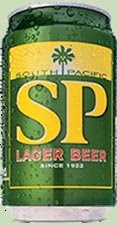
"If I was not in the situation, and I was objectively watching what had happened to this team in the last week, I'd probably be drinking a lot of beers and booing [...] usually I enjoy Japanese beer, but given the situation, if I was objectively watching the game, I wouldn’t care if it was Japanese beer, American beer or beer from Papua New Guinea." -- Ichiro Suzuki, Seattle Mariners, May 23, 2008Some of the readers of USS Mariner, the best sports blog in creation, including myself, took this as a challenge: Find some Papuan beer and drink it in Ichiro's honor.
Derek Zumsteg, maestro of USSM, quickly ascertained that SP Lager was the stuff we were after. I personally visited the strange and wondrous Big Star beer store up on Northgate Way, but they didn't have it. Others tried Bottleworks on 45th; no luck. Uwajimaya, no. No place. You cannot buy SP Lager, or any other Papuan beer, anywhere in Seattle--nor anywhere in the United States.
So we tried online. I know more than a few of us paid our $13.75, plus $5 shipping. A month later, after no word, I was a little worried, but then I got an email saying it was on the boat. On July 31st of last year, it arrived in LA. Whoo hoo! Beer!
Then the shipping company called. You can't just send beer in a UPS box; it's gotta be shipped like freight. Plus, since it's alcohol, they have arcane rules: if it's over five bottles or cans, I have to become an importer. I have to sign up with the FDA's Industry Systems program, whatever the hell that is, and fill out a Prior Notice Application, which is a million pages long, and I'm going to have to write a letter to US Customs begging for permission to bend the rules just this once. And then I'm going to have to pay the freight forwarder NINETY DOLLARS to pay for their end of the deal.
I said screw it. I told them I was abandoning the shipment. No beer for me. Five bottles of wine and I'd be in the clear; a six-pack and I'm considered to be Heineken all of a sudden.
The reason I'm writing this post now is to provide the coda to this tale of woe. I got a pink letter from the Department of Homeland Security yesterday. They still have my six-pack, and they're going to AUCTION IT OFF. Abandoned property, you know.
Any readers who live near Carson City and have a hankering for beer that's been on a slow boat for a month and a warehouse for a year, be my guest.

Tuesday, May 12, 2009
Stay Lucky

The best band in the whole world are breaking up. The Lucksmiths call it quits.
I first saw the Lucksmiths in Chris Munford's living room on Roosevelt, back when he was in Incredible Force of Junior, playing with Kissing Book. Just the three of them then, Tali's snare drum and duct tape kit, Mark grazing the ceiling with his head and the head of his bass (I've seen him smack others), and Marty hunched over his big f-hole guitar (Gibson? Gretsch? Guild? Ibanez? I never pay attention to these things). They were different; I'd never really heard an indiepop band until then with a singer who could really sing.
And their songs were so homely and charming and bookish and cozy and comfy but tricky and true. And words! "Outside every thin man is another man who's fat." "When we were arrested we were bare-chested." "I'm not happy but I'm near enough." "That was the winter of my discount tent." "She's a damsel in distress; she feels a damn fool in this dress." Very clever, but more than that: funny and vernacular and aware. Marty's songs were as true as the clear ringing yearn in Tali's sweet voice. With a bit of warble. I like a bit of warble.
At the time they reminded me of another great Australian band The Sugargliders, who had a similar approach, but not as personal, as quotidian, as these Melbourne scruffs.
Is there a more evocative, anticipatory phrase in pop than "take the tennis ball off the towbar"? Seven words. And then "If either one of us could dri-i-i-ive, we could drive away, and the times of our lives could begin today". Indiepop is always striving for wistfulness, but the Lucksmiths make it look easy. And little things like the way he sings "The hedges and the hibiscus" in "Untidy Towns" -- right there on the "hi" of "hibiscus" still make my heart flutter like a little girl.
That first time was 1997; they should have played the Seattle Popfest but we were too stupid. They had records out but they were rare and foreign and acquirable only at gigs. For many years I thought "A Green Bicycle Case" was some sort of confusing, er, case that you'd put a bicycle in for some arcane Australian reason.
Later that year we stumbled across them in a restaurant in Somerville, Mass., where they were playing in front of a roomful of diners who clearly weren't there for the music. Cramped -- the Lucksmiths could always set up in the tiniest of corners -- they charmed further. They are the most charming band ever as well.
Further gigs, every two years, more or less: Graceland (or was it still the Off-Ramp then?); The Baltic Room; Victoria, BC in front of three spectators other than the opening band (the amazing Salteens) -- me, Nancy, and the drunkest man in the world who alternately demanded I buy him a beer (the bartender had cut him off), sloppily hit on the Salteen's girl keyboard player, complaining about how hard it was to be gay in Victoria, and calling me a goddamn faggot; Bellingham; the
Every single one of them was magic, not just magic but like points in a line an infinite series of magical moments too close together to distinguish from each other.
I haven't even mentioned Mark's inventive and yet oddly sociable bass lines or Marty's guitar playing, surely the least-obtrusive in the world, just enough to prop up the improbable rollercoasters of the melody, or fourth-member Louis's altogether more muscular guitar texture, roaring (but subtlely, if that's a word) like something out of Loveless-era My Bloody Valentine or early Slumberland band Lilys. Or, most amazing of all, the crazy breath control that allows Tali to sing like an angel while playing drums standing up. Pretty good drums, too; I've always felt that the best drummers are the ones with the fewest pieces.
The records are pretty great, too. Naturaliste and Why That Doesn't Surprise Me are the two best albums of this decade to my mind, and I'll take "Midweek Midmorning" from Naturaliste to dance to, or the overlooked b-side "Winter Proper" from Spring A Leak to cry to: "she's going if not gone, and nothing said could stop her; put something warmer on, and await the winter proper" --Tali's voice slicing it off clean like a limb cut off so quickly there's no blood yet.
Next week I'll have a different two faves, maybe "The Music Next Door": "it might have been the music from next door, reminding me I should have loved you more, a song I've heard a hundred times before" -- Tali, better than anyone, better than Morrissey or Ferry or Lennon or Presley, drives another one home. He's relentless, both a butterfly and a sledgehammer at once. His phrasing is unparalleled.
Or "Here we are, silhouetted in the smoke from the shipwrecks at the bar of the Anchor and Hope" and the last time he sings "And I haven't seen you smile in quite a while, and I haven't seen you anywhere in ages", damn, that little rise makes my heart pucker and buckle every time: "Synchronized Sinking".
Or "You keep the curtains closed and you hide behind the newspaper; You got yourself some nicotine in the nick of time. And even though the weekend doesn’t really make much difference, You spent Thursday on your backside whistling “Friday On My Mind”, Super-supine."
Or "And I say it like it’s unrehearsed but I said it in the bathroom first."
Or "What sorry sights we sometimes are; these sameshit nights under stayaway stars -- these sameshit nights in the saddest bars, the city lights and the stayaway stars". Like a good dozen or more of their songs on this one when the chorus swells my heart rises in my chest and my eyes well up with tears; I'm doing it now just looking at the lyric of the song.
"Your loyalties are divided between digital and vinyl, but I’m biding time until the cassingle revival, because you promised when it happens you’ll return." Now I'm waiting for it too.
I know the lads are not deceased, and music will continue to be made. I wish them all the happiness there is. A different poet, E. E. Cummings: "Accept all happiness from me. Then shall i turn my face, and hear one bird sing terribly afar in the lost lands." That little bird is singing a Lucksmiths song. God bless.
EDIT: aside from a couple of idiotic errors, I seem to have somehow neglected to mention that all of the song lyrics quoted above are by the incomparable MARTY DONALD, ladies and gentlemen.
Friday, May 8, 2009
A Tepic and Nayarit Bibliography
 Herbert Corey. "Along The Old Spanish Road in Mexico: Life Among the People of Nayarit and Jalisco, Two of the Richest States of the Southern Republic". National Geographic, 43 (3), March, 1923, p. 225-281. With illustrations from photographs by Clifton Adams. Long and insightful article with many great photographs, several of them full-page. A color photograph section includes other parts of Mexico. This is the earliest Nayarit item I've been able to find.
- Harry Carr. Old Mother Mexico.With illustrations by Louis H. Ruyl. Boston and New York: Houghton Mifflin Company; Cambridge: The Riverside Press, 1931. 270 pp. A Breezy, charming automobile blitz through Mexico with a Hollywood reporter. Chapter XIII is entitled "Old Tepic", of which he says "Of all the towns in Mexico, I like Tepic the best. It is very old. It sits there, sweet and complacent and contented, while the rest of the world tears around in such a hurry that it is like a chicken with its head cut off." Carr likes his cliches. He also tells the one about the peon on his way to market who refuses to sell his entire load for a great price, because then he would have no reason to continue on to market, his greatest pleasure. Is this the first appearance of this trope? There's a lovely illustration of the Tepic plaza, above. Amusingly, a previous borrower of this book from SPL has added every single missing accent mark including over the e in México in the title, on facing pages; there must be five hundred pencil slashes.
- Frances Toor. A Treasury of Mexican Folkways: The customs, myths, folklore, traditions, beliefs, fiestas, dances and songs of the Mexican people; illustrated with 10 color plates, 100 drawings by Carlos Merida, and 170 photographs. New York: Crown Publishers, 1947. 566 pp. The classic study of indigenous folkloric traditions, including many references to the Huichol and Cora people of Nayarit.
- Dana Lamb and Ginger Lamb. Quest for the Lost City: A true-life adventure.Santa Barbara, California: Santa Barbara Press, 1984 [1951]. 340 pp. Photographs. Enormously popular swashbuckling adventure story of the 1950s, from an intrepid couple who traveled mostly on foot down the west coast of Mexico to Chiapas and Guatemala in search of a "lost city" and gold tablets of the Maya. Their archaeology is suspect, and accusations of fakery have been made, but the portion of the story taking place in San Blas seems pretty straight-forward.
- Howard E. Gulick. Nayarit, Mexico: A Traveler's Guidebook to this historic and scenic state of Mexico's West Coast, and its capital, the city of Tepic. Maps—Illustrations—Index. Glendale, California: The Arthur H. Clark Company, 1965. 168 pp. The kind of quirky, individual guidebook that just isn't made anymore. Gulick covers just about every inch of drivable ground in the state, with meticulous mile markers. Mexico was opening up to automobile tourism, by Americans traveling down to Mexico City or one of the beach resorts, and Tepic was a handy overnighting spot by then, with a good highway through to Guadalajara. But he also gets up into the remoter towns. A substantial state history and overview of the flora and fauna is included. Tipped in at the back is a gorgeous hand-drawn map. I wish there was a 2009 edition of this!
- Kojin Toneyama. The Popular Arts of Mexico. With a foreword and notes on modern Mexican folk crafts by Carlos Espejel, Director, Museo Nacional de Artes e Industrias Populares, Mexico City. New York & Tokyo: Weatherhill/Heibonsha, 1974. Japanese text translated by Richard L. Gage. Significant section of Nayarit crafts, including the well-known yarn paintings, with many bright oversaturated photographs, including photos of the Nayarit countryside. An attractive book. The focus is on current (i.e., 1970s) market-stall crafts, in a combination of styles, not particularly "authentic" in terms of pre-Columbian traditions but often-overlooked modern interpretations of indigenous life and art.
- John M. Ball. A Return to Tepic, Nayarit, Mexico: A personal geography. Atlanta: Inman Park Publications, 1991. 42 pp. Monograph No. 1. The author, a geography professor, describes his parents' retirement in Tepic, in 1957, and his subsequent visits there in the 60s and 80s, with photographs.
- Richard F. Townsend, ed. Ancient West Mexico: Art and Archaeology of the Unknown Past. With essays by Patricia Rieff Anawalt, Christopher S. Beekman, Barbara Braun, Kristi Butterwick, Maria Teresa Cabrero, Jane Stevenson Day, Peter T. Furst, Mark Miller Graham, Lorenza López Mesta Camberos, Joseph B. Mountjoy, Robert B. Pickering, Jorge Ramos de la Vega, Otto Schöndube, Richard F. Townsend, Francisco Valdez, Phil C. Weigand, and Christopher L. Whitmore. New York: Thames and Hudson, 1998. For the Art Institute of Chicago. 308 pp. Profusely illustrated with drawings, maps, paintings, and color photographs. This is the big Kahuna, the standard survey of Western Mexican art and archaeology. You will find no more comprehensive look at what is known about the shaft-tomb people and their artifacts. The area covered includes Nayarit, Jalisco, and Colima. This is a beautiful (and expensive) book.
- Estado de Nayarit, México: Guía Turística. Aguascalientes, Aguascalientes: Instituto Nacional de Estadística, Geografía e Informática, 2001. 204 pp. Three tipped-in folding maps; one large separate folding map. Government-produced tourist guide to the entire state. Many color photographs. Nothing like this exists in English, alas. It's as complete a guide as you could ask for.
- Mauro Lugo Izaguirre. El Museo Regional de Nayarit. Tepic, Nayarit: Instituto Nacional de Antropología e Historia, 2001. 130 pp. In Spanish. Useful guide to the museum, which is located in downtown Tepic in an eighteenth-century house, which was used as a school until the museum opened in 1971. The book briefly covers the history of the region, with special attention to the archaeological discoveries of the West Mexican tomb-shaft peoples. Several photographs of important artifacts and displays are included.
- Bruce Whipperman. Moon Handbooks: Puerto Vallarta, Including Guadalajara and Lake Chalapa. Sixth Edition. Emeryville, California: Avalon Travel Publishing, 2005. Devotes eleven pages to Tepic, which is generous by modern English-language guidebook standards, and includes a good map of downtown. Whipperman is "not an adventurous eater", and seems to list mostly pizza restaurants no matter where he goes, but he's good on the culture, and driving instructions and so forth. There is also coverage of San Sebastian, with a map, which is rare.
- Nayarit: Planos de las Cds. de Tepic, Acaponeta, Ahuacatlán, Compostela, Ixtlán del Río, Tecuala, Santiago Ixcuintla, Tuxpan y Mapa General del Estado. México: Ediciones Independencia, [2007?]. Standard folding highway map of the state and major towns. Some inaccuracies have been found, but it's the best available.
- Michael D. Coe and Rex Koontz. Mexico: From the Olmecs to the Aztecs. Sixth edition, revised and expanded. With 181 illustrations, 20 in color. New York: Thames and Hudson, 2008 [1962, 1977, 1984, 1994, 2002]. Excellent survey of pre-Columbian cultures, including few pages on, and some good photographs of, the Western Mexico shaft-tomb art.

Sunday, February 1, 2009

Wednesday, January 28, 2009
Ban School Football
An examination of the brain of an 18-year-old high school football player who collapsed and died showed degenerative brain disease, chronic traumatic encephalopathy. The boy had suffered numerous concussions playing football.
Recent evidence suggests that most NFL players suffer brain damage during their careers. A Boston University study of six brains from players who died between ages 36 and 50 showed that five of them had it. NFL players, particularly linemen, tend to die young, both from brain damage and heart disease brought on by their 300-pound-plus bodies.
A sixth player, Tom McHale, formerly of the Bucs, Eagles, and Dolphins, and who died of a drug overdose last year at 45, also has been diagnosed with CTE.
It's an epidemic. Players even in high school are much, much bigger, faster, and meaner than they have ever been. High school football is destroying young mens' brains. Why is this permitted? Not only permitted but encouraged and lavished with spending?
Recent evidence suggests that most NFL players suffer brain damage during their careers. A Boston University study of six brains from players who died between ages 36 and 50 showed that five of them had it. NFL players, particularly linemen, tend to die young, both from brain damage and heart disease brought on by their 300-pound-plus bodies.
A sixth player, Tom McHale, formerly of the Bucs, Eagles, and Dolphins, and who died of a drug overdose last year at 45, also has been diagnosed with CTE.
It's an epidemic. Players even in high school are much, much bigger, faster, and meaner than they have ever been. High school football is destroying young mens' brains. Why is this permitted? Not only permitted but encouraged and lavished with spending?
Thursday, November 13, 2008
Whither Sarah Palin?

Most Democrats are pretty eager to see the celebutard pageant queen with the avant-garde language skills, Sarah Palin, lead the Republican Party off a cliff, but history suggests she won't be in the spotlight much longer, and will not be leading anybody anywhere.
Do you know who the dyspeptic-looking gent above is? That's William L. Dayton, who ran as John Fremont's vice-presidential candidate on the very first Republican ticket in 1856. They lost, to Democrats James Buchanan and John C. Breckenridge. After the election, Dayton, a former senator from New Jersey, held some important jobs, including New Jersey Attorney General and U.S. Minister to France under Abraham Lincoln, but he never attracted so much as a whiff of support for the nomination as president or even vice-president again.
This is pretty typical. Losing veep candidates do not go on to the presidency. Losing presidential candidates can, like Dick Nixon did, but even that's pretty rare. Veeps? Never. Well, there was one, but it took him 12 years to get back on the ticket.
Don't believe me? Here's some more:
Joseph Lane, George Hunt Pendleton, Francis Preston Blair, Jr., B. Gratz Brown, Thomas Andrews, William Hayden English, John Alexander Logan, Allen Granberry Thurman, James Gaven Field, Arthur Sewall, Adlai Ewing Stevenson (grandfather of the later presidential candidate, and himself a former vice president, which isn't the same thing), Henry Gassaway Davis, John Worth Kern, Hiram Johnson and Nicholas Murray Butler, Charles W. Fairbanks, Franklin Delano Roosevelt (our sole exception; lost in 1920, ran again and won, on the top of the ticket this time, in 1932), Charles W. Bryan, Joseph Taylor Robinson, Charles Curtis, Frank Knox, Charles L. McNary, John W. Bricker, Earl Warren (later Supreme Court justice, but don't tell Sarah that!), John Sparkman, Estes Kefauver, Henry Cabot Lodge, William E. Miller, Ed Muskie, Sargent Shriver, Bob Dole (who did later run for president, but was very instructively beaten), Walter Mondale (ditto, and another former veep), Geraldine Ferraro, Lloyd Bentsen, Dan Quayle, Jack Kemp, Joe Lieberman, and John Edwards.
And now Ms. Palin.
I wouldn't get your hopes up.
Besides, if she doesn't shut up soon, I think some of her fellow Republican governors are going to take her out to the pool and drown her.
Tuesday, November 4, 2008

Tuesday, September 30, 2008
The Credit Crisis and the Bailout
I wrote this originally in an email to my cousin, who lives in Mexico, and doesn't understand "the bailout" issue very well. I don't understand it all that well either, but this is my take on what's happening, in what I hope is simple and straightforward language. Corrections welcome if I've mangled any economic truths here.
Here's the problem: modern economies run on credit. If the baker down the street wants to buy a new mixer so she can make more cookies, she goes to the bank and gets a loan. This is how ALL economic expansion works. Ultimately it goes back to the Federal Reserve, which loans to big banks, who loan to small banks, who loan to people to do stuff. You do the same thing when you take out a mortgage.
The loans are secured by the promise of value. If the bank thinks your house is worth the money, then your mortgage is safe and they'll loan it to you. Ditto the baker's mixer. The loan money is used by the person borrowing it to create some kind of value, and that value is partly used to pay the loan back. There's WAY more money outstanding in loans than anyone can pay back, because you're not expected to pay it all back NOW; you have years to pay it. During those years, you have to grow, or you won't be able to pay it back.
If the baker goes to the bank and the bank says "sorry, we can't loan you anything right now", the baker is screwed. They might say that because they think her business model is bad -- "these cookies taste like crap!", but they also might say that because THEY don't have any money.
This is all highly regulated. The amount banks can lend is tightly controlled, based on how much THEY have borrowed, which depends ultimately on how much the Fed wants to pump in. You might think the Fed could just pump in as much money as they wanted, and everybody'd have all the loans they want, but if those loans exceed the growth rate of the economy, you get inflation -- what they call "printing money". Your money is worth less, because there isn't anymore VALUE going around, just more dollars.
But there's another consequence of loaning too much: if they loan to people who can't pay, they don't get their money back. Remember that they've loaned way more than they actually have, and the banks have to pay their loans back too. Bad loans mean they can't pay, and banks fail. That's what's happening now; there isn't enough value in the country -- all the goods and services and so forth that we make -- to pay the loans. Banks are going tits up.
The problem that leads to is a "crisis in liquidity", which simply means there isn't any money available for new loans; it's all gone out to these bad loans, and the banks don't have enough money to pay their own bills, let alone loan out more. So nobody can get a loan for anything right now, not even good stuff like expanding a really successful business.
A liquidity crisis is bad in many, many ways. As I said, EVERYTHING in this economy depends on loans. Ultimately, that's where economic expansion comes from. Not just bakers buying mixers, but college students getting student loans -- virtually ALL college students today need loans. No loan, no college. That hurts the students, and it also hurts the colleges, which can't pay their bills.
Another example: durable goods. Not too many people go in and buy a car with cash; they get a loan. No loan = no car, which is bad for the car buyer but REALLY bad for the car maker, the dealer, the auto worker, the brake repairman, everybody. If you can't get mortgages, real estate agents and construction workers and carpet salesmen and furniture makers suffer. There are many examples.
So what happens is -- and this has happened MANY MANY TIMES in lots of economies around the world -- you have economic contraction instead of expansion, massive unemployment, government tax revenues fall, all these bad things. Everybody suffers.
So one possible way to forestall this is to bail out the banks.
That's what Congress is trying to do now. The problem is, bailing out the banks -- buying their bad loans so they can lend to good people again, paying off their debts, paying their depositors, etc. etc. -- means giving an absolute TON of money -- they're saying $700 billion but nobody really has any idea, it could be several times that -- to the very same people who got rich off all these bad loans in the first place.
To a lot of people, it looks like rewarding bad behavior. When the guy down the street can't pay his bills, they take his house; when the rich asshole on Wall Street can't pay his bills, he wants Congress to give him billions. That looks like a bad idea to a lot of people.
Unfortunately, there isn't any other choice. You NEED these banks to stay alive to keep the economy going. Without a bailout of some kind, we WILL have a major, major recession, contraction, maybe even a full-blown depression like we haven't seen in almost 80 years. It's by FAR the worst situation we've had in all that time. You just have to look at what happened in Japan during the "lost decade" to see how bad it can be -- we could easily be talking about massive, massive unemployment for ten years or more.
That hurts the entire world. Imagine what happens to Mexico's economy if (a) they are suddenly unable to sell anything to broke Americans; (b) stop having any tourists and (c) have all the migrants stop going to America because there's nothing there for them. In a fragile country like Mexico, a major depression in the US is going to cause a TON of poverty like you've never seen before, African poverty. But even strong economies like the UK, Canada, Germany, etc. will suffer.
Global depression is a bad thing. The people blocking the bailout now are doing so from an understandable position -- why should we bail out these rich assholes who have destroyed themselves -- but the consequences of not bailing them out will be EXTREMELY DIRE.
This is in fact what government is FOR -- floating us through a bad economic time. We used to have these episodes ALL THE TIME in the nineteenth century, but they were short; the Great Depression in the 1930s, though, was long, and something needed to be done, and FDR did it. In addition, all sorts of regulations were put in place to prevent this sort of thing from happening again. Unfortunately, the Republicans (with plenty of help from Democrats as well) have systematically gutted those regulations, so that we are in many ways right back where we were in 1929.
The thing is, these regulations DO hurt the economy a little. But they are NECESSARY; we give up a tiny bit of free expansion, but gain security, because the regulations prevent the economy from overheating and these markets from getting out of control. We can fix things when they break, or could; now we can't, and that's why we're in this fix.
What they SHOULD be doing is talking about rationalizing the deficit by raising taxes on the rich and putting some of the banking regulations like the Glass-Steagall provisions that were gutted in '98 back in place. But Congress is too stupid and pigheaded to do that. So the best we can hope for is this crummy bailout.
Yes, it's crummy, but it's necessary. That's what it boils down to. For once Bush is probably right. Ironically, now the House Republicans are against him. But they don't have any solutions of their own, just "NO!" They're like two year olds, really. Always have been, these damn Republicans.
Right now, it's a game of chicken. We need a bailout, but no one really knows how bad it's going to get without one, and everybody's just sort of waiting for one side to blink. I go back and forth; I think we can do a lot better deal than this one, but we have to do SOMETHING. Unlike the Republicans, I'm not willing to throw away the country for ten years just to spite these Wall Street jerks. Too many people are going to suffer.
ADDENDUM: I go back and forth on this one. I could be happy with this defeat if there was some indication that a better deal was coming. I absolutely do not agree that we can just let these banks fail; the people who would suffer most are not white-shoe Wall Street guys but everyone else, the ordinary people with their investments for retirement. And even more importantly, the forward motion of the economy.
A dead economy is going to have dire effects on lots of other things. Any chance at a rational energy policy, or workable health care, dies too.
But this bill? It stank. But we need something.
Here's the problem: modern economies run on credit. If the baker down the street wants to buy a new mixer so she can make more cookies, she goes to the bank and gets a loan. This is how ALL economic expansion works. Ultimately it goes back to the Federal Reserve, which loans to big banks, who loan to small banks, who loan to people to do stuff. You do the same thing when you take out a mortgage.
The loans are secured by the promise of value. If the bank thinks your house is worth the money, then your mortgage is safe and they'll loan it to you. Ditto the baker's mixer. The loan money is used by the person borrowing it to create some kind of value, and that value is partly used to pay the loan back. There's WAY more money outstanding in loans than anyone can pay back, because you're not expected to pay it all back NOW; you have years to pay it. During those years, you have to grow, or you won't be able to pay it back.
If the baker goes to the bank and the bank says "sorry, we can't loan you anything right now", the baker is screwed. They might say that because they think her business model is bad -- "these cookies taste like crap!", but they also might say that because THEY don't have any money.
This is all highly regulated. The amount banks can lend is tightly controlled, based on how much THEY have borrowed, which depends ultimately on how much the Fed wants to pump in. You might think the Fed could just pump in as much money as they wanted, and everybody'd have all the loans they want, but if those loans exceed the growth rate of the economy, you get inflation -- what they call "printing money". Your money is worth less, because there isn't anymore VALUE going around, just more dollars.
But there's another consequence of loaning too much: if they loan to people who can't pay, they don't get their money back. Remember that they've loaned way more than they actually have, and the banks have to pay their loans back too. Bad loans mean they can't pay, and banks fail. That's what's happening now; there isn't enough value in the country -- all the goods and services and so forth that we make -- to pay the loans. Banks are going tits up.
The problem that leads to is a "crisis in liquidity", which simply means there isn't any money available for new loans; it's all gone out to these bad loans, and the banks don't have enough money to pay their own bills, let alone loan out more. So nobody can get a loan for anything right now, not even good stuff like expanding a really successful business.
A liquidity crisis is bad in many, many ways. As I said, EVERYTHING in this economy depends on loans. Ultimately, that's where economic expansion comes from. Not just bakers buying mixers, but college students getting student loans -- virtually ALL college students today need loans. No loan, no college. That hurts the students, and it also hurts the colleges, which can't pay their bills.
Another example: durable goods. Not too many people go in and buy a car with cash; they get a loan. No loan = no car, which is bad for the car buyer but REALLY bad for the car maker, the dealer, the auto worker, the brake repairman, everybody. If you can't get mortgages, real estate agents and construction workers and carpet salesmen and furniture makers suffer. There are many examples.
So what happens is -- and this has happened MANY MANY TIMES in lots of economies around the world -- you have economic contraction instead of expansion, massive unemployment, government tax revenues fall, all these bad things. Everybody suffers.
So one possible way to forestall this is to bail out the banks.
That's what Congress is trying to do now. The problem is, bailing out the banks -- buying their bad loans so they can lend to good people again, paying off their debts, paying their depositors, etc. etc. -- means giving an absolute TON of money -- they're saying $700 billion but nobody really has any idea, it could be several times that -- to the very same people who got rich off all these bad loans in the first place.
To a lot of people, it looks like rewarding bad behavior. When the guy down the street can't pay his bills, they take his house; when the rich asshole on Wall Street can't pay his bills, he wants Congress to give him billions. That looks like a bad idea to a lot of people.
Unfortunately, there isn't any other choice. You NEED these banks to stay alive to keep the economy going. Without a bailout of some kind, we WILL have a major, major recession, contraction, maybe even a full-blown depression like we haven't seen in almost 80 years. It's by FAR the worst situation we've had in all that time. You just have to look at what happened in Japan during the "lost decade" to see how bad it can be -- we could easily be talking about massive, massive unemployment for ten years or more.
That hurts the entire world. Imagine what happens to Mexico's economy if (a) they are suddenly unable to sell anything to broke Americans; (b) stop having any tourists and (c) have all the migrants stop going to America because there's nothing there for them. In a fragile country like Mexico, a major depression in the US is going to cause a TON of poverty like you've never seen before, African poverty. But even strong economies like the UK, Canada, Germany, etc. will suffer.
Global depression is a bad thing. The people blocking the bailout now are doing so from an understandable position -- why should we bail out these rich assholes who have destroyed themselves -- but the consequences of not bailing them out will be EXTREMELY DIRE.
This is in fact what government is FOR -- floating us through a bad economic time. We used to have these episodes ALL THE TIME in the nineteenth century, but they were short; the Great Depression in the 1930s, though, was long, and something needed to be done, and FDR did it. In addition, all sorts of regulations were put in place to prevent this sort of thing from happening again. Unfortunately, the Republicans (with plenty of help from Democrats as well) have systematically gutted those regulations, so that we are in many ways right back where we were in 1929.
The thing is, these regulations DO hurt the economy a little. But they are NECESSARY; we give up a tiny bit of free expansion, but gain security, because the regulations prevent the economy from overheating and these markets from getting out of control. We can fix things when they break, or could; now we can't, and that's why we're in this fix.
What they SHOULD be doing is talking about rationalizing the deficit by raising taxes on the rich and putting some of the banking regulations like the Glass-Steagall provisions that were gutted in '98 back in place. But Congress is too stupid and pigheaded to do that. So the best we can hope for is this crummy bailout.
Yes, it's crummy, but it's necessary. That's what it boils down to. For once Bush is probably right. Ironically, now the House Republicans are against him. But they don't have any solutions of their own, just "NO!" They're like two year olds, really. Always have been, these damn Republicans.
Right now, it's a game of chicken. We need a bailout, but no one really knows how bad it's going to get without one, and everybody's just sort of waiting for one side to blink. I go back and forth; I think we can do a lot better deal than this one, but we have to do SOMETHING. Unlike the Republicans, I'm not willing to throw away the country for ten years just to spite these Wall Street jerks. Too many people are going to suffer.
ADDENDUM: I go back and forth on this one. I could be happy with this defeat if there was some indication that a better deal was coming. I absolutely do not agree that we can just let these banks fail; the people who would suffer most are not white-shoe Wall Street guys but everyone else, the ordinary people with their investments for retirement. And even more importantly, the forward motion of the economy.
A dead economy is going to have dire effects on lots of other things. Any chance at a rational energy policy, or workable health care, dies too.
But this bill? It stank. But we need something.
Saturday, September 6, 2008
Nicky Samuel
For my birthday I would like some boobies, please:

I hope to get away with this because the woman in the picture, Nicky Samuel, is surely in her sixties now.
Nicky Samuel was the wife of Nigel Waymouth, who owned Granny Takes A Trip, probably the grooviest boutique on the King's Road. She was Ossie Clark's best customer, and modeled his clothes. The above picture, taken after Ossie's show at her house at 28 Mallord Street in Chelsea (built for the painter Augustus John, and used as his studio), gives a sense of her irrepressible high spirits. The early seventies were sexy, and Nicky was glowing with it this night.
I can't find any information about her. I know she modeled, and this amazing picture of her in another incredible Celia Birtwell print (shot by Norman Parkinson), appeared in the December 1972 Vogue (British edition):
 Just lovely.
Both these pics were taken from Judith Watt, Ossie Clark 1965–74, London: V&A Publications, 2003.

I hope to get away with this because the woman in the picture, Nicky Samuel, is surely in her sixties now.
Nicky Samuel was the wife of Nigel Waymouth, who owned Granny Takes A Trip, probably the grooviest boutique on the King's Road. She was Ossie Clark's best customer, and modeled his clothes. The above picture, taken after Ossie's show at her house at 28 Mallord Street in Chelsea (built for the painter Augustus John, and used as his studio), gives a sense of her irrepressible high spirits. The early seventies were sexy, and Nicky was glowing with it this night.
I can't find any information about her. I know she modeled, and this amazing picture of her in another incredible Celia Birtwell print (shot by Norman Parkinson), appeared in the December 1972 Vogue (British edition):
 Just lovely.
Both these pics were taken from Judith Watt, Ossie Clark 1965–74, London: V&A Publications, 2003.
Thursday, August 28, 2008
The King of The King's Road
- Judith Watt. Ossie Clark 1965–74. London: V&A Publications, 2003.
Ossie Clark was an exotic bird. Unjustly forgotten in the roll call of Swinging Sixties fashion designers, he was one of the most significant figures moving the sixties forward into the seventies. Hugely popular with the society set and the rock’n’roll aristocracy in the years leading up to punk, he dressed people like Bianca Jagger, Marianne Faithfull, Jerry Hall, and Gala Mitchell (who appears on the back of Lou Reed’s Transformer), and consorted with the likes of Bryan Ferry, David Hockney, and Anthony Price. Perhaps most notably he designed Mick Jagger's ridiculous white catsuit that he wore during the infamous 1972 US tour.


Next up: a brief look at one of Ossie's friends and favorite models, Nicky Samuel.
Tuesday, August 26, 2008

Monday, June 16, 2008

Monday, June 9, 2008
What eggs are chickens!!
One of my favorite Flickrites is the wry Mr. Kiser, who travels around Middle America unearthing treasures, like this pair of billboards. I could make any number of jokes here, but none of them would approach the wonderfulness of these signs, so I'll just let you enjoy them.
Take an hour and flip through the rest of Tim's stream, too. It's very charming. His grammar is a little shaky at times, but his eye is keen and his perceptions faultless.

Take an hour and flip through the rest of Tim's stream, too. It's very charming. His grammar is a little shaky at times, but his eye is keen and his perceptions faultless.
Wednesday, June 4, 2008
All Dressed Up
- Jonathon Green. All Dressed Up: The Sixties and the Counterculture.. London: Pimlico, 1999 [1998].
The book was retracted immediately publication when the author was sued (successfully) by George Harrison of The Beatles and Caroline Coon of the charitable group Rescue for stating that the latter had solicited donations from the former with sex. Apparently that's not true. I don't care either way; but I agree with the author when he says in a new introduction to the paperback edition: "too many individuals, famous for fifteen minutes when that cliché was still fresh, have become modern-day Miss Haveshams, clinging forever to their once relevant past." A bit petulant, perhaps (and George had a bit more than fifteen minutes), but true of sixties partisans nonetheless, hanging onto the past.
Ah, but what a past it was. This is an English book, so it's an English, and particularly a London, perspective (with a dash of May 1968 in Paris). Many of the central Sixties ideas and expressions came originally from America, but the English Sixties was quite different than the American one. Their pop music was very different, of course, and they had "Swinging London", and they didn't have the JFK-RFK-MLK assassinations and Kent State and Chicago 1968, except second-hand.
To an American, the English story isn't as well-known; we know about the Beatles, and the Mods and Rockers, but who in the US has ever seen a copy of IT, or has ever heard of the Angry Brigade or Michael (not Malcolm) X?
This book is a comprehensive overview of the English threads that make up that thing called "The Sixties" -- not the actual Sixties, but the Sixties of the mind. I'm still waiting for the book that tells the whole story, wherein the top-selling pop singers are Dean Martin and Englebert Humperdinck, not the Beatles and the Stones; wherein new car models like the Mini and the Ford Falcon matter more than the avant-garde galleries; and wherein the creation of a new mass market of JC Penney clothes and color TV and explicit sex in popular books and movies matter more than what which radical leftist said to which other radical leftist in some dingy commune. This isn't that book.
But "The Sixties" was a real thing, and as Green points out, it still reverberates today -- in 2008 as much as a decade earlier when this book was written. It's not just the familiar names, like Margaret Thatcher (a bluenose art censor from Finchley, among other things), Mary Whitehouse (Christianist loon morals advocate), and Richard Branson (alternative-press hanger-on); it's the whole zeitgeist of the times. It still gets people riled up, as former 60s people are firmly in charge of major institutions on both sides of the Atlantic (and both sides of the intellectual divide). The 60s still matter, and it's this version of the decade that Green covers so well.
He starts by covering the antecedents: starting with the Teddy Boys, who were sort of the Edwardian English version of American bikers without the motorcycles, and the Beats, who were wholly American but had a major impact in England and Scotland. That impact is spelled out here, from Jim Haynes's Edinburgh poetry bookshop to the famous poetry reading at Albert Hall in 1964, which was sort of a coming-out party for all the freaks in London (who quickly made whatever fragments were left of the Beats obsolete). His chapter on the Mods is very good; he's very finely tuned into fashion ideas, and grasps the "three waves" of Mod, with only the last, greatly watered down, being the sort of Mods who made the papers.
This is as good as source as you're likely to find for the main political threads of the decade, beginning with the CND marches in the 1950s, which accomplished little but were a model for all of the street action that followed, including the events in Paris in 1968. He charts the rise of the rather plodding New Left, and its split into various flavors of Revolutionary Socialism on the one hand, and boring, accomodationist left-Labour on the other -- which nonetheless accomplished a great deal of good, through the efforts of Roy Jenkins and Lord Annan in breaking down some of the bleak old morality code. And he also shows how the alternative-society freaks paid little attention to either side, preferring instead to make their own mistakes in the realm of dope, rock and roll, and fucking in the streets.
The art world played a major role in creating the atmosphere of newness and fresh creation, primarily filtered through the galleries of Robert Fraser and Barry Miles. Miles's Indica gallery was as much a part of the London scene as the Scotch of St. James or the UFO Club, and artists like Peter Blake set the visual tone much as did Mary Quant in fashion.
The spread of pot and LSD, the famous censorship trial of Lady Chatterley's Lover, gay rights, women's rights, the growth of the alternative press, and the burgeoning rock scene, so different than the old-school sharkskin-suited promoters like Larry Parnes, with wild-eyed hippies putting on light shows and free (or not so free) festivals on a Woodstock-like scale; it's all in here.
Green covers an astonishing amount of detail here, with dozens of obscure names and movements filling in around the obvious ones. He doesn't shy away from ridiculousness; perhaps the emblematic episode of the 60s in Britain was the utter chaos of Apple, where the biggest pop group of all threw away millions of pounds in spectacularly insane fashion rather than give them to the taxman. The Beatles are of course at the center of many of the stories here, but the more interesting ones are on the periphery, in the offices of IT and the rotting hulks of pirate radio.
Green is good at showing how the impact of the actions of a relatively few innovators (or blowhards) on the wider society. The horror that Carnaby Street almost immediately became (so reminiscent of the Haight-Ashbury, though in very different ways) sprang from the genuine creativity of early tailoring stars:
[...] home of such traditional 'gents outfitters' as Aquascutum and Austin Reed, it was a block down from Newburgh Street where ex-photographer Bill Green, trading as 'Vince', had a decade earlier set up London's first ever outlet for chic young men. His original patrons were the gay musclemen, airing their pecs round the corner at the Marshall Street Baths, but Vince soon found itself selling to a wider market--not the teens (they couldn't afford its prices)--but Peter Sellers, Lionel Bart, John Gielgud and similar showbiz celebs. It was the start of something big. Green's star faded by the late Fifties (he moved into catering) but a replacement did all he had and more. John Stephen, a refugee Glaswegian who learned his trade in the military department of Moss Bros., set up his first business in 1957, working in Beak Street under the name of 'His Clothes'. When His Clothes was accidentally burnt down he shrugged, and moved round the corner to Carnaby Street. And where the older generation still went to Vince, Stephen attracted a new breed: Cliff Richard, Tommy Steele: the pop stars. He undercut Vince, putting immediacy and excitement in the place of traditional tailoring standards. Attuned to the ephemerality of 'youth culture' he drew in the young, including--at first--the Mod exquisites. As Nik Cohn explained 'There were ... ploys, lots of gimmicks and publicity stunts. But this was all embellishment. Underneath the central equation was that every time you walked past a John Stephen window, there was something new and loud in it, and when you counted your money you found you could afford it.' By the end of 1961 Stephen had four shops of his own and his imitators--Donis, Domino Male--had opened in Carnaby Street. They had a new name: the boutique. Originally it had meant a store within a store, dealing the latest fashions. It was a bit Frenchified, a bit camp, but no one objected to this little tribute to Carnaby Street's gay origins.
Carnaby Street truly took off in 1963, the year of Beatlemania, a brief interregnum in which the Establishment believed that it could grab 'youth' and consign its eccentricities to the dump-bins of commercial exploitation. Two years later it was dead, a tacky carnival Midway full of Union Jacks and hucksters, inflated rates fattening the local council coffers, tourists blocking its passage as they searched for the real-life version of what they'd read in Time.
Of course, the Establishment COULD grab youth and consign its eccentricities, etc., and just a couple of years later I was having my mother buy me tragic versions of these fashions, filtered through The Monkees' TV show, at JC Penney and Frederick & Nelson in Bellevue Square. But that's another story. This story is wonderfully told, though, in this book, whatever frigging George Harrison thought. It expands wonderfully upon the brilliant essay that opens Revolution in the Head by Ian MacDonald, and makes a nice sixties companion to Groovy Bob: The Life and Times of Robert Fraser by Harriet Vyner, Quant by Quant by Mary Quant, and the more mainstream period history Run It Down The Flagpole by Bernard Levin (or his later The Pendulum Years), to name a representative sample. I liked it at least as much as I did Shawn Levy's poppier, less political Ready, Steady, Go!. But good luck finding it; I had to get mine through Interlibrary Loan.
The Birth of The New
 Doug Englebart using the chord keyboard
On December 9, 1968, a researcher at the Stanford Research Institute named Doug Englebart gave a presentation at the Fall Joint Computer Conference that introduced many of the computing concepts that we now take for granted, fifteen years before anyone in the general public ever heard of them. Englebart and his remote colleagues Don Andrews and Jeff Rulifson in Menlo Park (home of SRI, 30 miles south of San Francisco, where the demo was held) showed the first computer mouse to the public there, the first rasterized (drawing-capable) video monitor, the first live teleconferencing, the first inter-user messaging system (forerunner of email), the first use of hypertext (forerunner of the web) and even a rudimentary form of what became the internet.
 Doug Englebart speaking
This demonstration was later called "the mother of all demos" by author Steven Levy, a phrase which has become rather oddly famous, because while it's more or less true, it's also kind of dumb. But nevertheless.
 Console with chord device, keyboard, and mouse
Remember, this was before history. The personal computer had been developed; no PC, no Mac. No one on earth had a computer in his or her home; if you wanted to do computing, you went to a computer center at your university or business and sat at a console which probably didn't even have a text-only monitor; your only display was a TTY, a printer with a roll of pin-feed paper. No graphics of any kind, except for early forms of ASCII art (pictures made from typed letters). No windows, no icons, no menus, no nothing except a command line waiting for your typed, punch tape, or punch card input.
I used one of these computers, with punch tape and a TTY, in high school in 1973; I don't remember what model it was, but it was a mainframe belonging to the Dallas School District, and we connected to it via an antique modem at probably 50 baud. We used cartons and cartons of pin-feed paper, writing our stupid little BASIC programs (I remember helping write a not-very-successful bowling game) and printing out our terrible ASCII art. I remember getting yelled at (not too forcefully) for using too much expensive connect time. Of course, there was nothing like an internet nodes anywhere near us then. That was five years AFTER Englebart's demo of technology that was to become so important decades later, but totally unimaginable to us hobbyist fiddlers.
 Don Andrews demonstrating the potentiometer mouse; note the cord traveling the wrong way, under the hand
Englebart changed everything on this day. While his vision for computing was ultimately unsuccessful -- he didn't accept the emergence of the PC in the 1970s, for instance -- his ideas were unusually revolutionary and ahead of their time even in an industry marked by rapid advances. The mouse didn't really catch on until the Apple Macintosh in 1984, for instance. The internet, then called ARPANET, didn't come online until 1969, and wasn't opened to the public outside of universities and research companies until the late 1980s. But it was all here at this demo, at least in part.
 Programmer Jeff Rulifson
I knew most of this from reading books. What I didn't know is that video exists of this historic event. You can watch it here (streaming Real Audio with good descriptive text) or here (Flash). Finding this video is rather mind-blowing; to me it's like finding video of the apple falling on Newton's head. This is the birth of a new world, even if no one but a thousand geeks knew about it for another decade. It's probably the most boring video in the world to most people, but if you're interested in seeing where all this internet stuff came from, this is the source. At least watch the first mouse segment here if you can.
This post is illustrated with some screenshots I grabbed. This is real nerd action the way it should be!
Tuesday, June 3, 2008
My New Favorite Car: Panhard Dyna Z

These were made from 1954 to 1959 in France. Aluminum body! Suicide doors! Front wheel drive. 50 HP from 851cc. More techno-gibberish here at Wikipedia and Citroënnët; really, I just care about the gorgeous streamlined shape of the thing. French cars are so beautiful.
Here's another shot of Dave Bally's friends' car, which he graciously allowed me to share:

Panhard Dyna Z by David Bally
Subscribe to:
Posts (Atom)

